

Take a Look Inside Our Store!
Get a sneak peek inside Pals LA! Browse our photo gallery to explore our store, discover our wide selection of pet food, treats, toys, and supplies, and see what makes us a favorite destination for local pet lovers in Los Angeles, CA. We can't wait to welcome you in person!
CURRENT DEALS
Stop by Pals LA to get deals on the best pet supplies to help keep your pet healthy and happy!
 Astro Offer
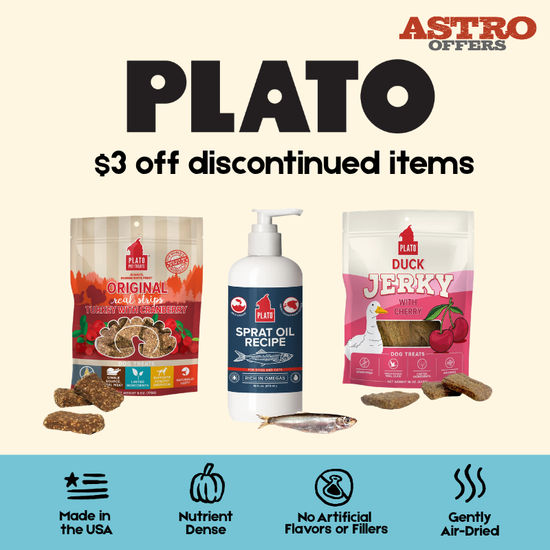
Plato | $3.00 OFF Discontinued Items
While we are sad to see these items go, it's time to make room for the NEW. Enjoy $3 off our discontinued items while supplies last.
 Astro Offer
Dogginstix | FREE 6in Standard Bully Stick with Qualifying Purchase
Enjoy this free Bully Stick 6in - a natural, protein-rich chew that supports healthy teeth and gums while satisfying your dog's natural urge to chew and providing a delicious, long-lasting reward.
Pals LA | Premium Pet Food & Supplies | Los Angeles, CA
Discover premium pet food, healthy treats, toys, supplements, and trusted brands for dogs and cats at Pals LA. Find everything your pet needs to live a happy, healthy life in Los Angeles, CA.




THE PALS FAMILY
We’re a little different from your average pet store.
At Pals LA, pets aren’t just customers — they’re family. Our team is passionate about helping pets live healthier, happier lives, and we believe that a little personality makes everything more fun.
Come meet the Pals. 🐾
Meet Our TeamWhat Our Customers Say
At Pals LA, we're proud to serve pet parents throughout Los Angeles with premium pet food, healthy treats, expert grooming, and personalized care. Conveniently located on West Sunset Boulevard in the heart of Silver Lake, we strive to make every visit a great experience for both you and your pets. Whether you're stopping by from Echo Park, Los Feliz, Hollywood, or Downtown Los Angeles, we're grateful for the trust our community places in us and look forward to helping your pets live happy, healthy lives.
5
Pet Tips, News & More
Stay up to date with the latest pet care tips, helpful advice, and news from Pals LA! Explore our blog for everything from pet nutrition and wellness to seasonal tips and fun ideas to keep your furry friends happy and healthy.
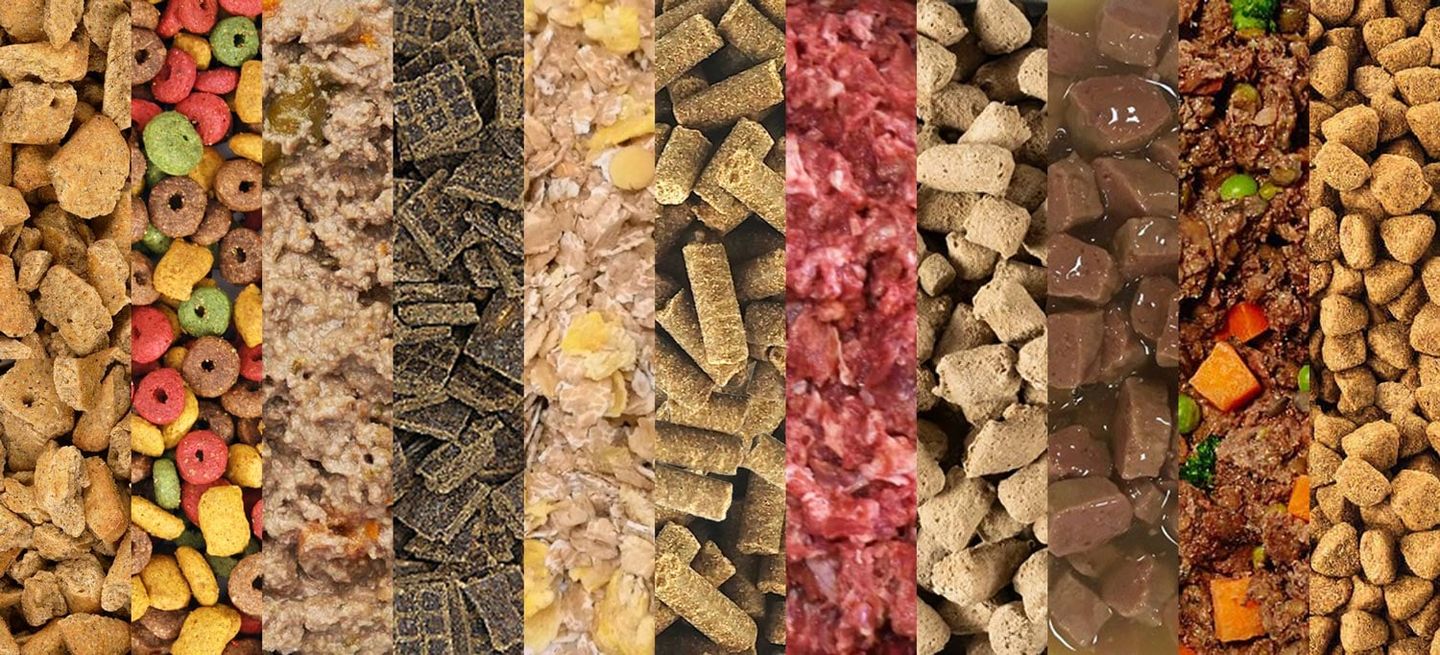
Is Your Pet’s Food Really Right for Them? A Guide to Better Pet Nutrition
Choosing the right food for your dog or cat can feel overwhelming. Walk into any pet store and you’ll find dozens of brands promising better ingredients, improved digestion, healthier skin, shinier coats, and longer, happier lives. But how do you know what’s actually right for your pet? At Pals LA, we believe good pet nutrition starts with understanding what’s inside the bowl. Feeding your pet should be about more than choosing a recognizable brand or following the latest trend. It’s about finding quality nutrition that fits your pet’s individual needs, preferences, and lifestyle. Here’s what every pet parent should consider. 1. Look Beyond the Front of the Bag Pet food packaging is designed to catch your attention. Words like natural, premium, holistic, and grain-free can sound impressive, but they don’t automatically tell you whether a food is nutritionally appropriate. Instead, turn the package around. Look at: The nutritional adequacy statement and whether the food is appropriate for your pet’s life stage. The guaranteed analysis, including protein, fat, and fiber. The ingredient list and the sources of protein and fat. Feeding guidelines and calorie information. A quality food should provide complete and balanced nutrition when intended as your pet’s primary diet. Treats and toppers are different and generally shouldn’t replace a complete diet. 2. Understand Your Pet’s Protein Sources Protein is an important part of both canine and feline nutrition. You’ll commonly find chicken, turkey, beef, lamb, salmon, and other fish-based proteins in pet food. Different pets may respond differently to different ingredients. Some have preferences, while others may need a particular diet because of a diagnosed food allergy or medical condition. Don’t assume that the most expensive protein or the newest ingredient is automatically the best. The goal is to find a nutritionally appropriate food that your pet tolerates well and enjoys. 3. Consider More Than Just Kibble Dry food remains a convenient option for many households, but it isn’t the only way to feed your pet. Depending on your pet’s nutritional needs, you may also explore: Wet food: Often contains more moisture and can offer variety in texture and flavor. Freeze-dried food: Offers another format for pet parents interested in minimally processed feeding options. Follow preparation and food-safety instructions carefully. Fresh food: Refrigerated or frozen recipes can be another option, provided they are complete and balanced for your pet’s needs. Food toppers: Can add variety and excitement to meals, but should be selected carefully to avoid unbalancing the overall diet. There is no single feeding approach that works for every dog or cat. 4. Make Food Changes Gradually Found a food you’d like to try? Don’t rush the transition. Suddenly changing your pet’s diet can cause digestive upset, particularly in pets with sensitive stomachs. A gradual transition over approximately 7–10 days is a common starting point: Days 1–2: 75% current food, 25% new food. Days 3–4: 50% current food, 50% new food. Days 5–6: 25% current food, 75% new food. Days 7–10: Gradually move toward 100% new food. Some pets need a slower transition. If your pet develops persistent vomiting, diarrhea, refuses food, or shows other concerning symptoms, contact your veterinarian. 5. Pay Attention to Your Pet, Not Just the Marketing Your pet is the best starting point when evaluating whether a diet is working. Pay attention to: Consistent appetite and energy. Stool quality and digestive comfort. Skin and coat condition. Maintaining an appropriate body condition. Enjoyment of mealtime. These observations can help you identify whether a food deserves another look. They aren’t a substitute for veterinary assessment, particularly when symptoms develop. Better Nutrition Starts With Better Guidance There is no shortage of pet food options, but finding the right one doesn’t have to be complicated. At Pals LA, we’re passionate about helping dog and cat parents make more informed decisions about nutrition, treats, and everyday wellness. Whether you’re exploring natural dog food, specialty cat food, fresh feeding options, or simply looking for something new your pet will enjoy, we’re here to help you navigate the choices. Visit Pals LA in Silver Lake, Los Angeles, and let’s find something worth getting excited about at mealtime. Because at Pals LA, where health and wellness matter most, every bowl counts.